    |
Diamond Fluorescence is Important - Especially in New ZealandWhen buying a diamond in New Zealand, it is best to make sure that it is 'inert' or has 'nil' fluorescence, as New Zealand has very high levels of ultraviolet. The ultraviolet in sunlight can cause some diamonds to fluoresce, and even create an afterglow in darkness. If your diamond has fluorescence that is 'slight' or higher (levels 4-8), then exposure to the harsh ultraviolet can cause it to become milky and cloudy over time. The Fluorescence Scale in Diamond Grading
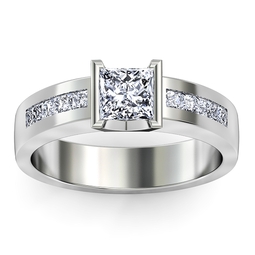
What Fluorescence are 1791 Diamonds?All of the diamonds at 1791 have 'nil' to 'slight' fluorescence. The Princess cut channel set 18kt white gold engagement ring (above) is from the 1791 Modena Engagement Rings Collection. The diamond here is 0.5ct, F in colour, SI2 in clarity and 'inert' in terms of fluorescence. Is Fluorescence Always a Bad Thing?Fluorescence can improve or detract from the beauty of your diamond jewellery. In bright sunlight, blue fluorescence provides a better colour, whereas yellow fluorescence gives the stone a worse appearance. The intensity of fluorescence in diamonds varies widely from stone to stone. The most common fluorescence is blue, but includes other colours such as green, yellow and orange. And while some pink diamonds from India flouresce with a strong orange, the Hope Diamond has a read fluorescence. You can follow this link if you want to learn more about Diamond Colour. Let's Go Shopping! If you are ready, let's go shopping
|


 When grading your diamond, the gemmologist will put it under UV light and note down which of the following grades it is:
